Veritas per amorem

Our Research

Parkinson’s Disease

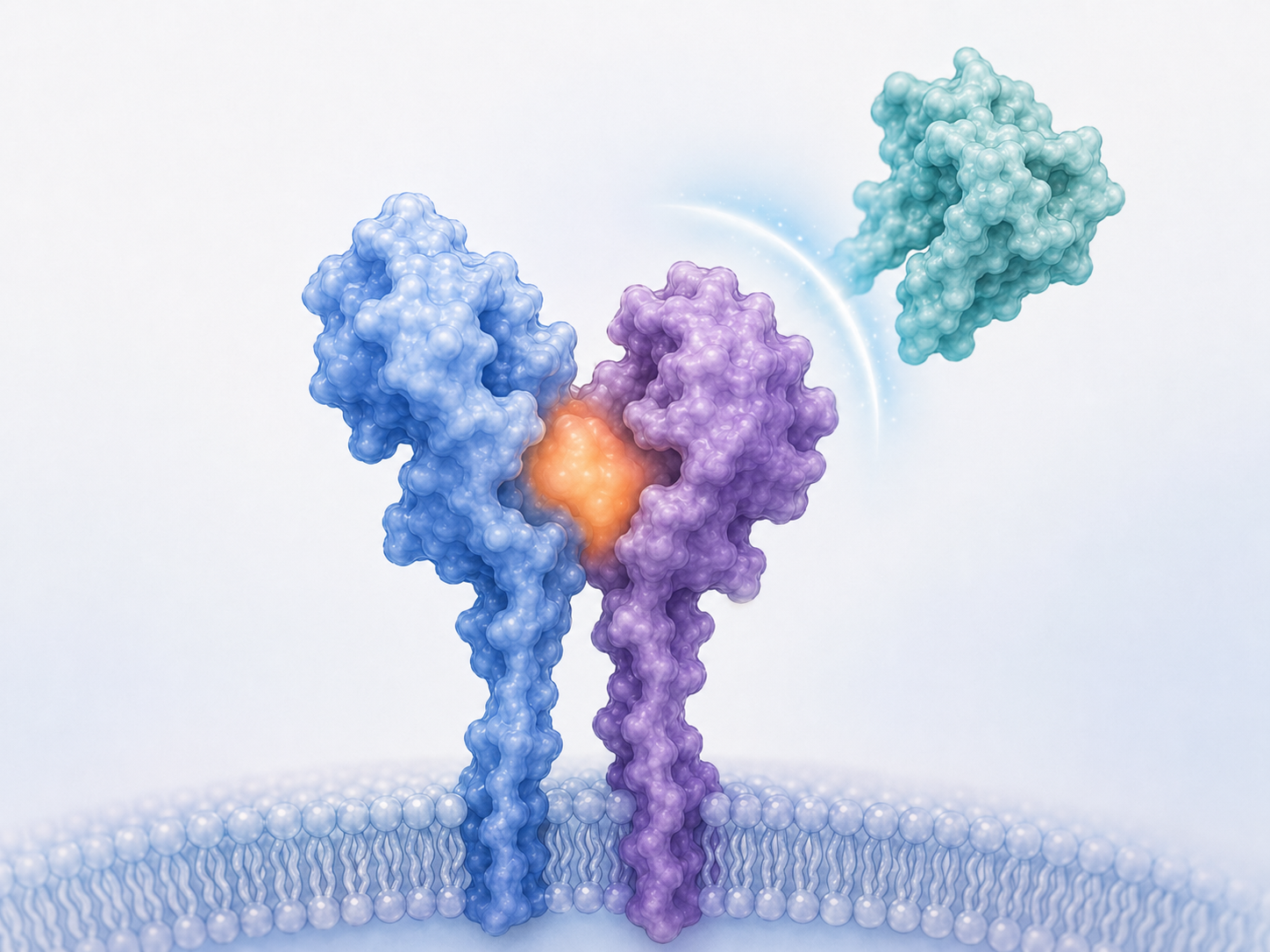
Abstract illustration of an inhibitory compound blocking IL-13 binding to the IL-13RA1 and IL4R receptor complex

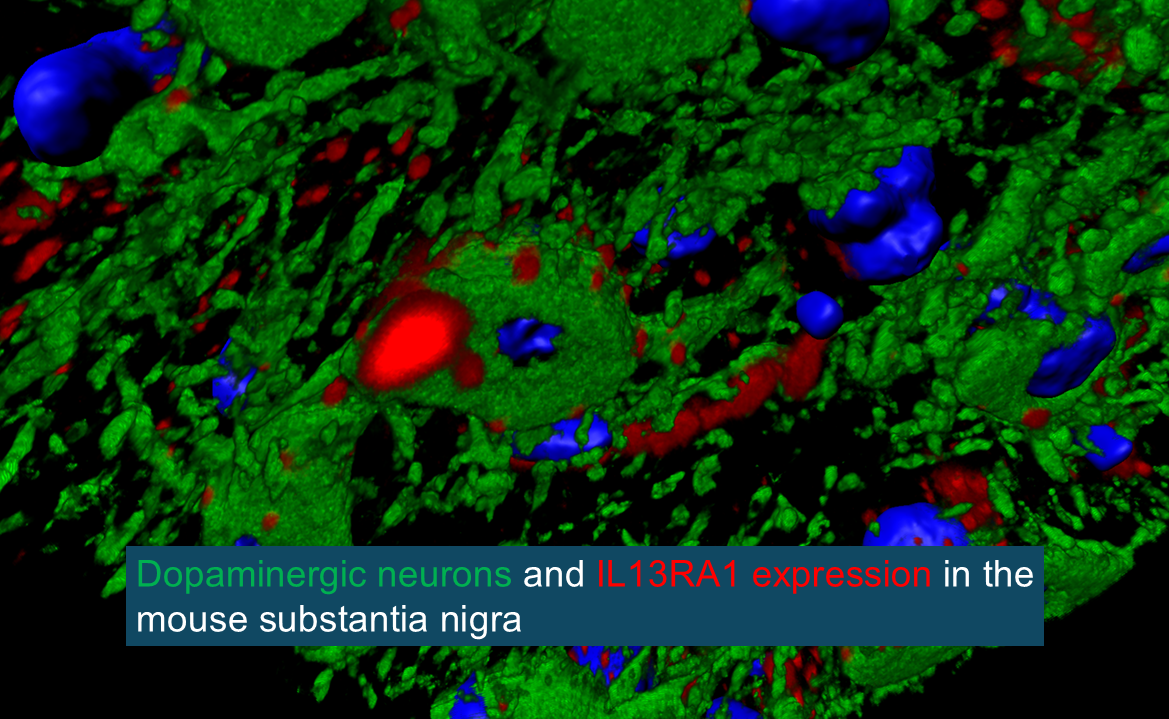
My laboratory is focused on understanding disease mechanisms that may contribute to Parkinson’s disease, with particular emphasis on inappropriate inflammatory signaling, autophagy dysfunction, and lipid-mediated regulation of neuronal health. In collaboration with Dr. Danny Xu at Idaho State University, we have developed the first pharmacological inhibitor of human IL13RA1. Our hope is that this compound will prevent inappropriate allergy responses mediated through IL13RA1 and thereby provide benefit for individuals suffering from PD, seasonal allergies, or related inflammatory conditions. This work is ongoing.

We also have an extensive background in dissecting autophagy dysfunction in the context of familial PD. We identified and published findings on a mutation in VPS35 that causes an inherited form of PD. Surprisingly, we discovered that this VPS35 mutation was closely linked with disordered signaling from the extracellular matrix through the hyaluronic acid receptor HMMR. Specifically, the VPS35 mutation caused selective degradation of the v3 splice variant of HMMR, suggesting a failure to properly recycle this receptor. This likely resulted in overactive hyaluronic acid-HMMR signaling and subsequent autophagy dysfunction. Consistent with this model, knockdown of total HMMR restored autophagy in VPS35 mutant cells.
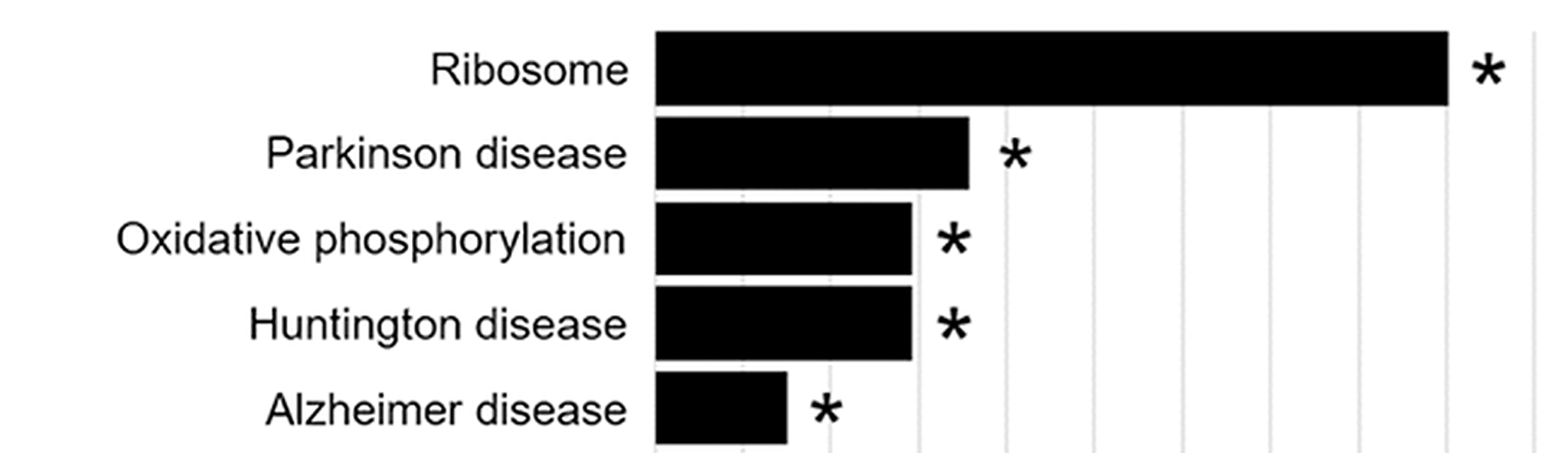
Bar graph showing KEGG pathway hits associated with palmitic acid-treated cells, including ribosome and neurodegenerative disease pathways

We are also exploring the possibility that lipid signaling is an underappreciated regulator of autophagy dysfunction in PD. We focused on FABP5 because its expression is highly enriched in the substantia nigra, the region of the brain containing the dopaminergic neurons that are preferentially lost in PD. Our work showed that FABP5 regulates autophagy through lipid binding, and we identified three FABP5-bound lipids, 5-oxo-eicosatetraenoic acid, stearic acid, and hydroxystearic acid, that potently inhibited autophagy in dopaminergic neuron-like cells. Interestingly, 5-oxo-eicosatetraenoic acid is a potent eosinophil-associated allergy mediator, raising the possibility of another mechanistic connection between allergic inflammation and PD that may intersect with our IL13RA1 work. We also identified palmitic acid, a major component of palm oil, as a lipid that bound FABP5 but did not disrupt autophagy; however, RNA-Seq analysis of palmitic acid-treated cells identified Parkinson’s disease, Huntington’s disease, and Alzheimer’s disease as the only significant KEGG-annotated disease pathway hits for that lipid.
Adult Transdifferentiation

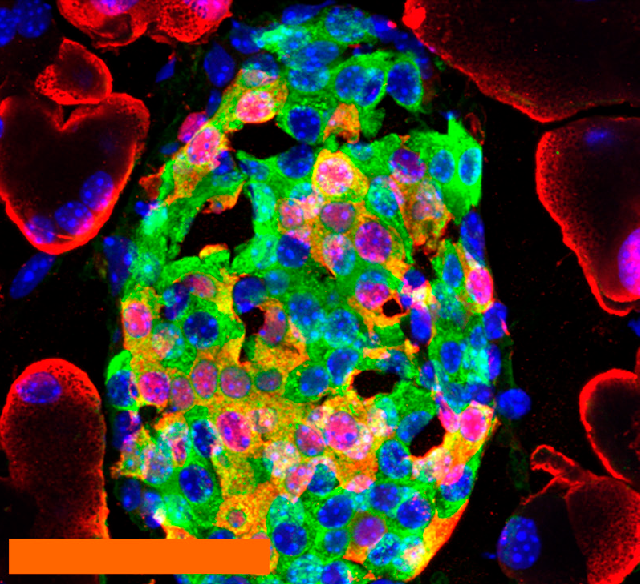
Fluorescent microscopy image of adult vascular-associated cellular labeling suggesting transdifferentiation and endothelial-associated precursor activity

My laboratory is also interested in how adult tissues maintain specialized cell populations throughout life. The tissue homeostasis of numerous adult cell types appears to rely on cellular sources that remain poorly defined. For example, endothelial cells in adult humans show some connection with bone marrow-derived precursors, but sex-mismatched bone marrow transplant studies suggest that this accounts for only a minority of endothelial replacement, leaving the major source unknown. This is likely true for many adult tissues, where the cells responsible for long-term maintenance may not simply reflect the developmental programs that originally built the organ.

Our work explores the possibility that adult tissues use distinct replenishment programs, including transdifferentiation or vascular-associated precursor pathways, to maintain specialized cell populations throughout life. This concept is supported by our lineage-tracing studies showing adult vascular-associated labeling of diverse central nervous system and peripheral cell types. Our goal is to determine whether adult cell replacement follows rules that are fundamentally different from embryonic development and to define the mechanisms that allow mature tissues to preserve structure and function over time.

Protein Homeostasis and Autism

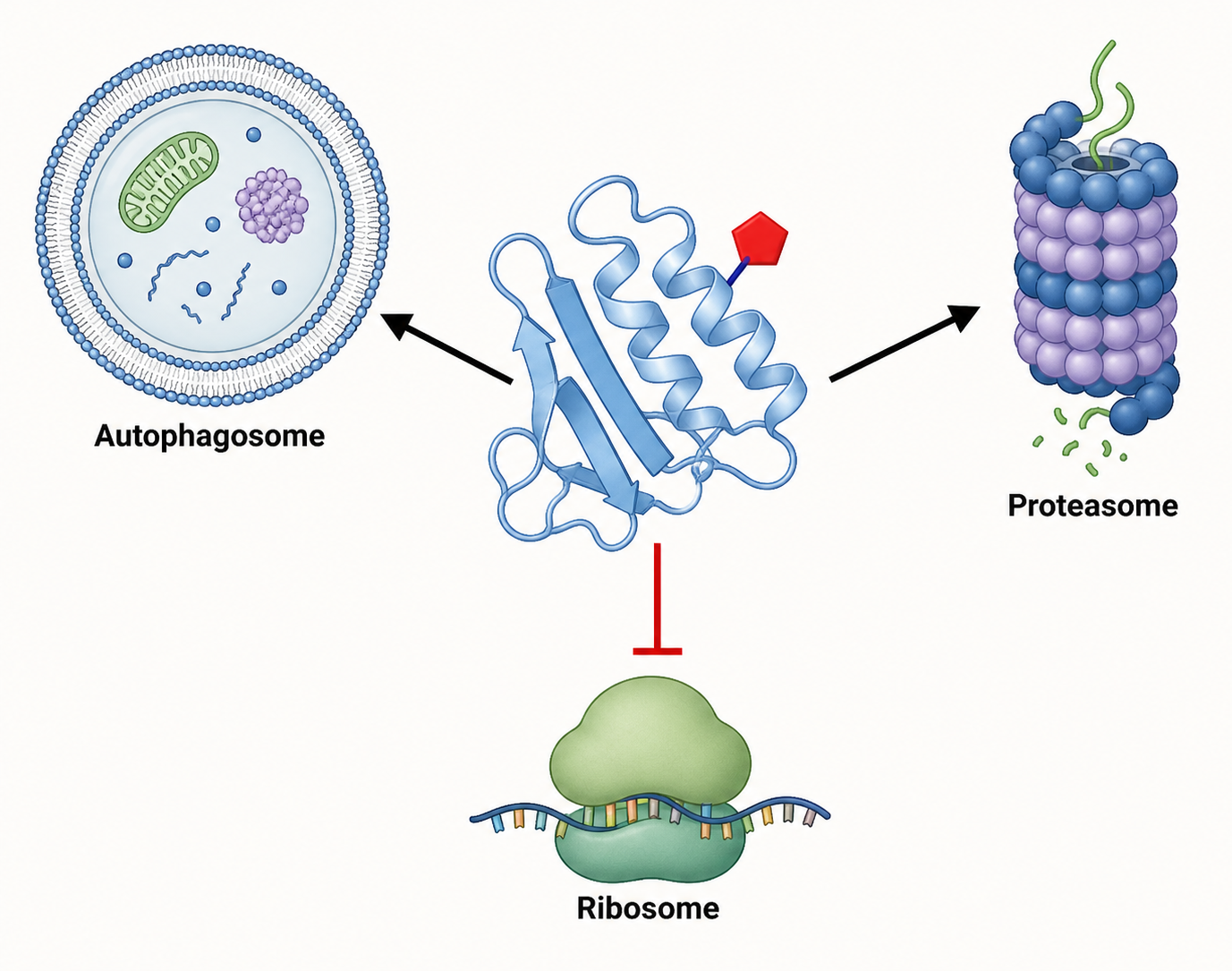
My laboratory is investigating how cells coordinate the large-scale protein turnover required for cellular differentiation. We set out to identify the mechanism responsible for this mass proteome remodeling and discovered a novel pathway that integrates a simple post-translational modification with en masse protein turnover and gentle translational suppression at the ribosome. Together, these processes appear to support an orderly transition from one cellular program to another.

Unexpectedly, the key signaling nodes in this pathway are all suspected causal agents for familial autism. This raises the possibility that autism-associated genes may participate in a broader cellular program that regulates protein homeostasis, translational control, and developmental transitions. Our goal is to establish definitive proof that this pathway exists, define its mechanism, and thoroughly characterize the key molecular players that regulate this process.

NAD+ Therapies

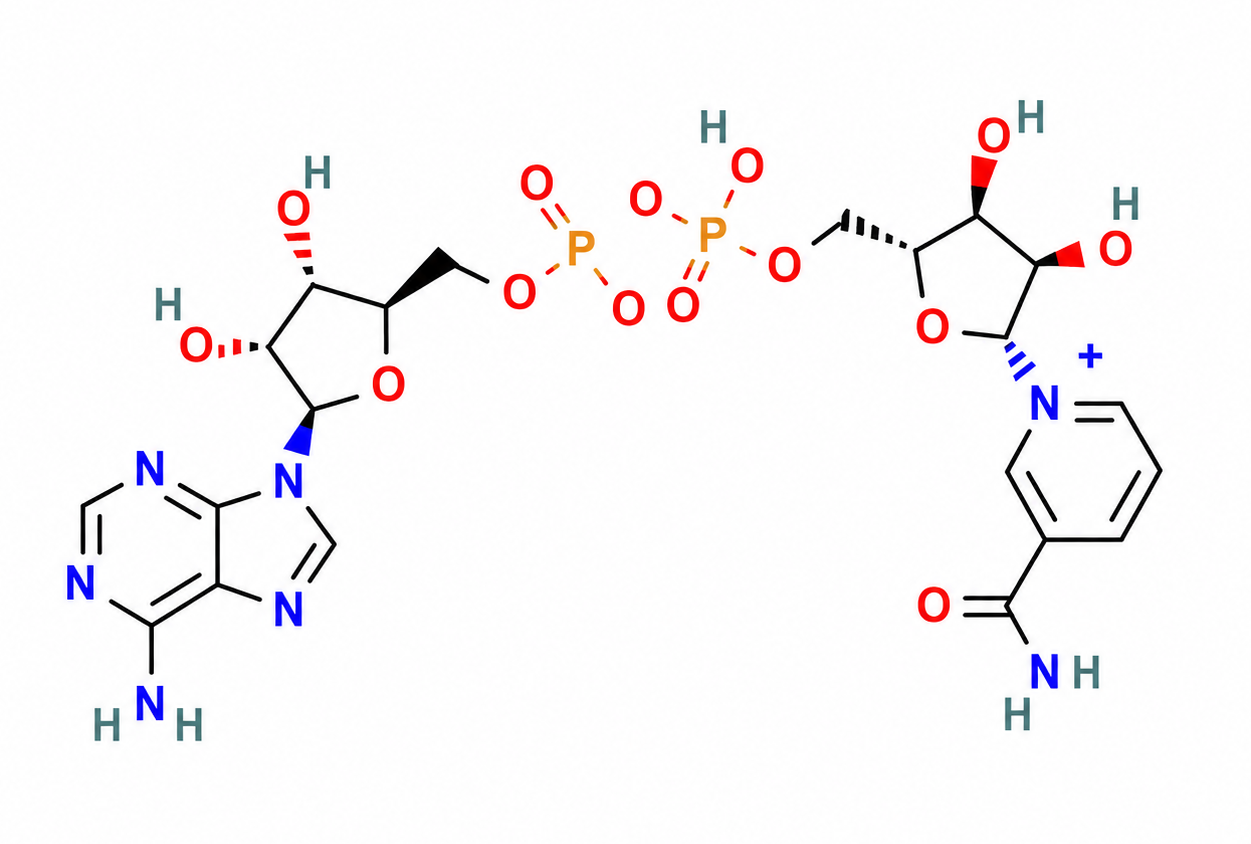
NAD+ molecular structure illustration

My laboratory has serendipitously discovered that NAD+ is far more than a simple intracellular energy courier. Instead, NAD+ appears to function as an extracellular regulator of diverse signaling pathways that are essential to human health. This finding has opened a new area of investigation focused on how NAD+ availability influences cell signaling, inflammation, and disease-relevant physiology.

We are now harnessing this knowledge to target specific signaling pathways relevant to numerous diseases. Our long-term goal is to determine whether manipulating NAD+ levels can be used therapeutically to restore healthy signaling, reduce pathological inflammation, and improve tissue function across a range of disease contexts.

Publications

View Publication List

Lab Members

Current Lab Members

  • Orion Shuldtz
  • Sydney Leitch
  • Lauren Jones
  • Porter Buckley

Former Lab Members

  • David Pugel
  • Jolie Goetter
  • Gillian Ciarelli
  • Madi Austin
  • Nathan Hill
  • Meghan Cole
  • Jocelyn Holmes
  • Alyssa Schoenfeld
  • Sara Alsaifi
  • View Nevill
  • Gyandarshika Koirala
  • Lexi Skinner
  • Alex Soto
  • Fabio Halla
  • Peyton Vasquez
  • Nick Lehning
  • Tyler Lawton
  • Koby Kimball
  • Alice Oxford
  • Emily Oe
  • Isabella Amado
  • Hannah Peterson
  • Samuel Peterson
  • Tabitha Tyrrell
  • Abir Rahman
  • Abby Webb
  • Jake Velarde
  • Paige Urquhart
  • Nathan Lai
  • Connor Brown
  • Joshua Albright
  • Brandon Wagner
  • Taylor Larson
  • Iva Stojkovska

Lab Pics

View Lab Pics